

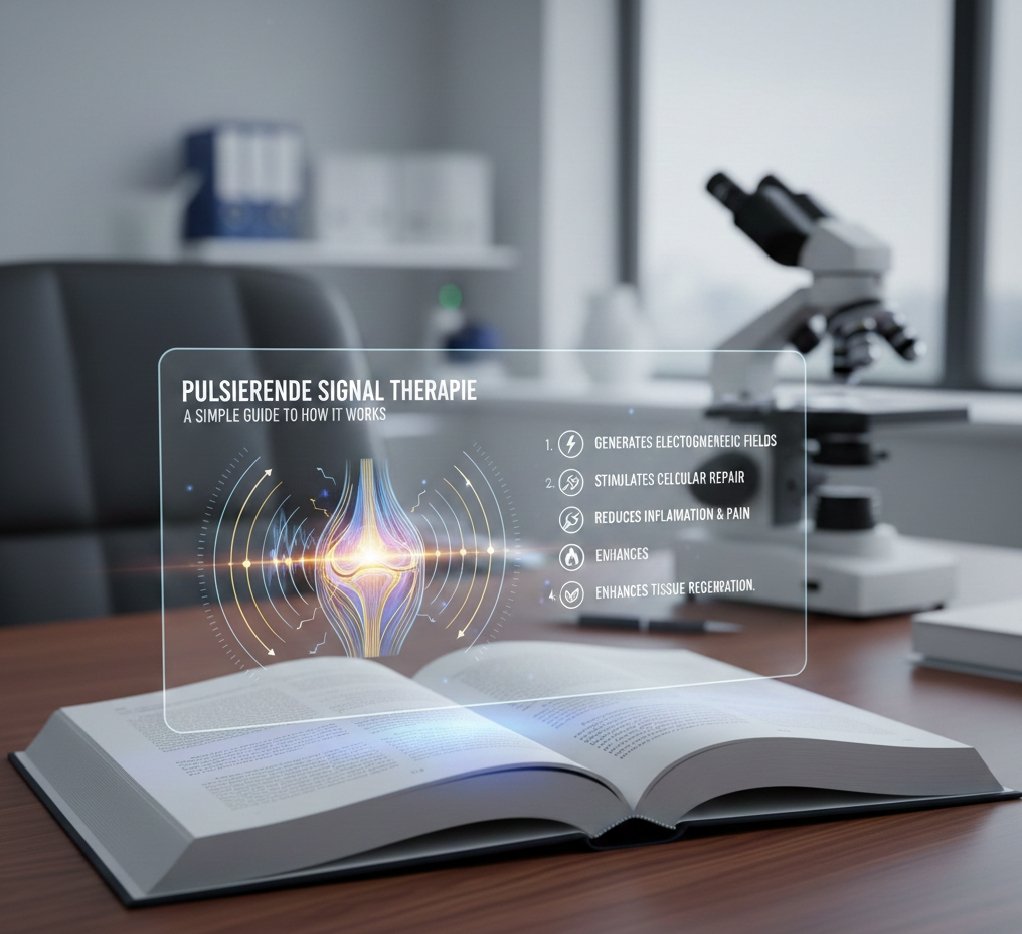
Pulsierende Signal Therapie (PST), also known as Pulsed Signal Therapy, is a wellness approach that uses gentle electromagnetic signals to support joint comfort, mobility, and overall tissue function. It is popular in Europe and often discussed as a non-invasive option for people looking to improve their joint health naturally. This article explains what PST is, how it works, its potential benefits, and what to consider before trying it.
What Is Pulsierende Signal Therapie?
Pulsierende Signal Therapie is a technique that delivers low-frequency, pulsed electromagnetic signals to targeted areas of the body. These signals are designed to:
- Encourage natural cell communication
- Support healthy joint function
- Promote comfort and mobility
The method is typically used in wellness centers, physiotherapy clinics, and sports recovery facilities.
Important: PST is not a replacement for professional medical diagnosis or treatment. Always consult a qualified health professional for medical concerns.
How PST Works
Pulsed Signal Therapy is based on the idea that electromagnetic impulses can help support normal cellular activity. During a session, a person usually sits or lies comfortably while the device sends controlled pulses to a specific body region.
Key steps of a typical PST session
- Consultation: A practitioner evaluates the area that needs support.
- Positioning: The targeted body part (e.g., knee, shoulder, spine) is placed inside a PST device coil.
- Signal Delivery: The machine emits gentle, rhythmic electromagnetic pulses.
- Relaxation: Sessions generally last 30–60 minutes and are non-painful.
Potential Benefits of Pulsierende Signal Therapie
Many users choose PST for its non-invasive nature. Reported benefits include:
1. Joint Mobility Support
- May help maintain comfortable movement
- Often used for knees, hips, shoulders, and hands
2. Natural Wellness Enhancement
- Encourages healthy cell activity
- Supports overall tissue function
3. Complement to Physiotherapy
- Can be used alongside stretching, exercise, or rehabilitation routines
4. Helpful for Active Individuals
- Popular among athletes needing recovery support
- May help reduce stiffness after physical activity
5. Gentle and Relaxing
- Does not involve surgery, needles, or medication
- Suitable for those looking for a calm, non-invasive wellness option
Who Uses PST?
Pulsierende Signal Therapie is commonly used by:
- People with joint discomfort
- Athletes in recovery programs
- Individuals seeking non-invasive wellness therapies
- Wellness and physiotherapy clinics
- Older adults wanting to support flexibility
Key Features of PST
● Non-Invasive Treatment
No cutting, injections, or intense procedures.
● Targeted Support
Signals can be focused on specific joints or body regions.
● Drug-Free Option
Useful for individuals who prefer natural or non-pharmaceutical approaches.
● Personalized Sessions
Therapists can adjust pulse patterns and timing.
Things to Consider Before Trying PST
Although PST is widely used, here are important points to keep in mind:
1. Consult a Professional
Always speak with a healthcare provider first, especially if you have:
- Medical implants
- Heart conditions
- Chronic illnesses
- Pregnancy
2. Effectiveness Varies
Some people feel noticeable improvements, while others may experience mild or limited changes.
3. Not a Cure
PST is generally meant to support wellness, not cure underlying medical issues.
4. Choose Qualified Providers
Look for certified practitioners or reputable wellness centers.
Read More: Aspertaan – Understanding the Ingredient, Uses, and Benefits
Conclusion
Pulsierende Signal Therapie is a modern, non-invasive wellness method that uses gentle electromagnetic pulses to support joint comfort, flexibility, and tissue health. While it has gained popularity for its simplicity and relaxing nature, it is important to consult a healthcare professional before using it. For many individuals seeking a supportive and holistic approach to joint wellness, PST can be a valuable addition to their routine.
