

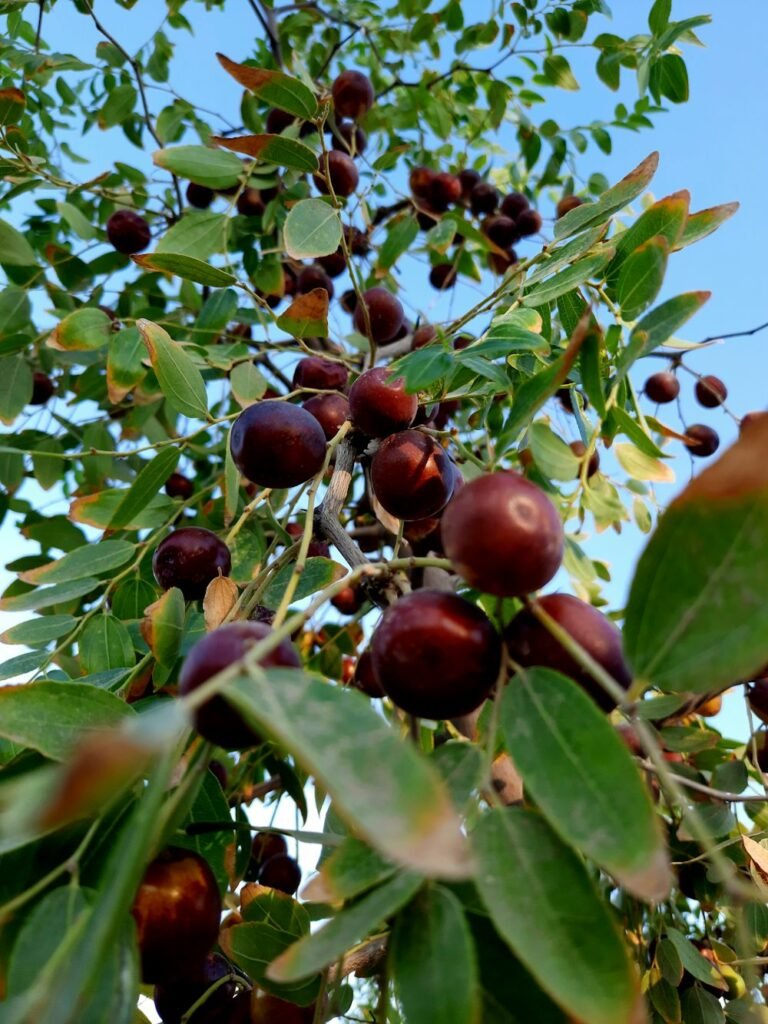
Žižole, commonly known in English as jujube or Chinese date, is a small but powerful fruit with a long history in traditional diets and natural wellness practices. Valued for its sweet taste and impressive nutritional profile, žižole is enjoyed fresh, dried, or used in teas, desserts, and herbal preparations. In this article, we explore what žižole is, its health benefits, uses, and why it continues to grow in popularity worldwide.
What Are Žižole?
Žižole are small, round or oval fruits that grow on the Ziziphus jujuba tree. When fresh, they have a crisp texture similar to an apple. Once dried, they become chewy and sweet, much like dates.
Basic characteristics of žižole
- Color ranges from green to deep reddish-brown
- Naturally sweet flavor
- Grown in Asia, the Mediterranean, and parts of Europe
- Used in both culinary and wellness traditions
Nutritional Value of Žižole
Žižole are rich in essential nutrients that support everyday health. They are especially known for their high vitamin and antioxidant content.
Key nutrients found in žižole
- Vitamin C
- B-complex vitamins
- Potassium
- Iron
- Natural antioxidants
- Dietary fiber
These nutrients make žižole a wholesome snack and a valuable addition to a balanced diet.
Health Benefits of Žižole
Žižole has been appreciated for centuries for its supportive health properties. While it is not a medical treatment, regular consumption may offer several benefits.
1. Supports Immune Health
- High vitamin C content helps strengthen natural defenses
- Antioxidants protect cells from oxidative stress
2. Aids Digestive Wellness
- Fiber supports healthy digestion
- May help maintain regular bowel movement
3. Promotes Relaxation
- Traditionally used to support calmness and better sleep
- Often brewed as a soothing tea
4. Natural Energy Booster
- Provides natural sugars for sustained energy
- Helpful for reducing fatigue
5. Skin and Hair Support
- Antioxidants help maintain healthy skin
- Nutrients support hair strength and shine
Common Uses of Žižole
Žižole is extremely versatile and can be enjoyed in many forms.
Popular ways to use žižole
- Fresh fruit: Eaten raw as a snack
- Dried žižole: Added to trail mixes and desserts
- Herbal tea: Boiled with water for a calming drink
- Cooking ingredient: Used in soups, syrups, and jams
- Traditional remedies: Included in natural wellness blends
How to Include Žižole in Your Diet
Adding žižole to your routine is simple and delicious.
Easy ideas
- Snack on dried žižole between meals
- Add sliced žižole to salads or oatmeal
- Brew žižole tea before bedtime
- Use it as a natural sweetener in recipes
Why Žižole Is Gaining Global Popularity
In recent years, more people are turning to natural foods with historical significance. Žižole stands out because it:
- Is nutrient-dense
- Has a long shelf life when dried
- Fits well into modern wellness lifestyles
- Offers a naturally sweet alternative to processed snacks
Its combination of taste, tradition, and nutritional value makes it appealing to health-conscious consumers.
Things to Keep in Mind
- Consume in moderation due to natural sugars
- Choose organic or high-quality sources when possible
- Consult a healthcare provider if you have specific dietary concerns
Read More: Pulsierende Signal Therapie – A Simple Guide to How It Works
Conclusion
Žižole is more than just a traditional fruit—it is a nutrient-rich, versatile ingredient that fits perfectly into a healthy lifestyle. Whether enjoyed fresh, dried, or brewed into tea, žižole offers natural sweetness and valuable nutrients. Its growing popularity proves that ancient foods still have an important place in modern diets.
